Muninn

the enduring essence · ذاتِ ماندگار
zât-e mândegâr

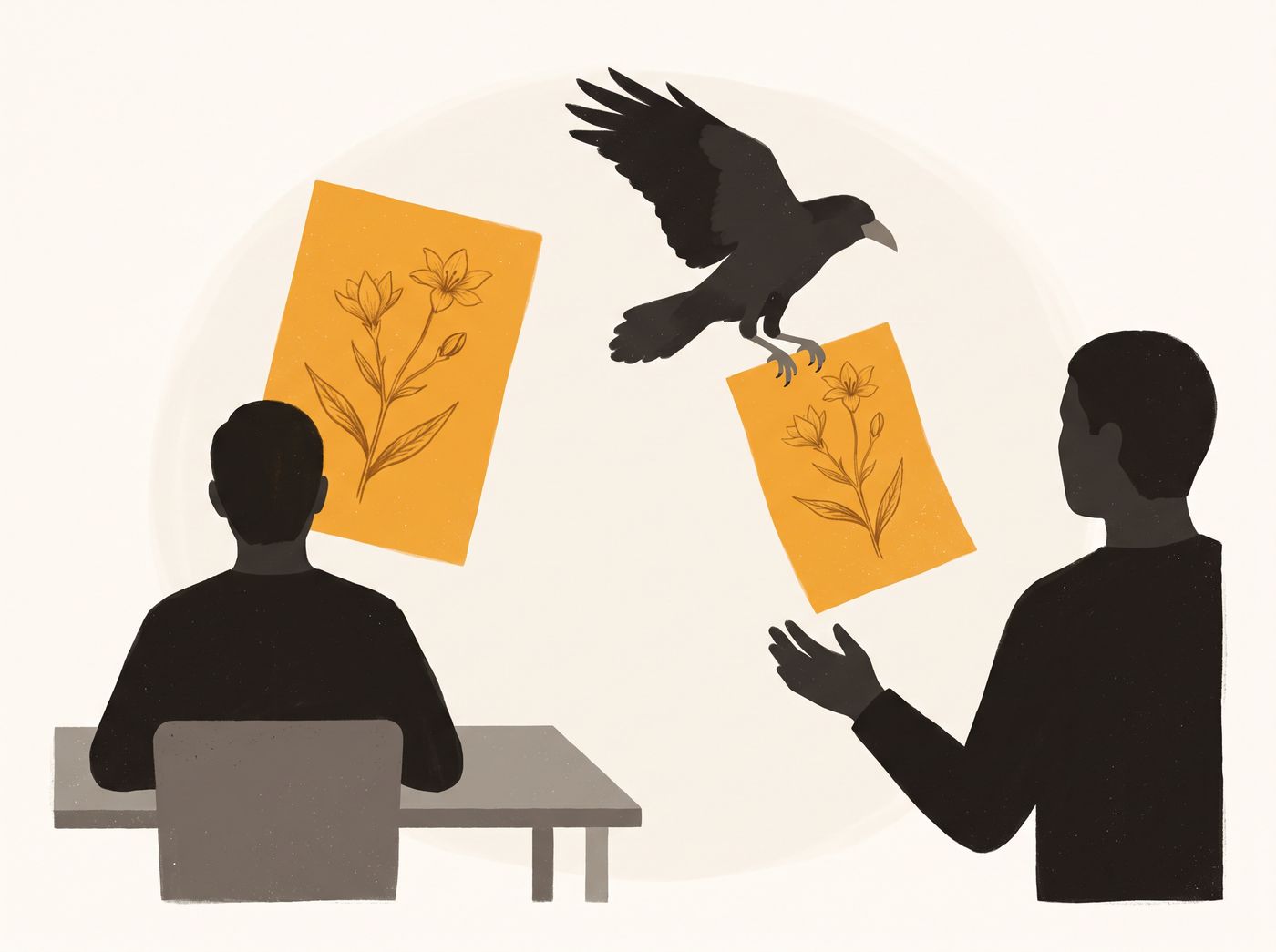
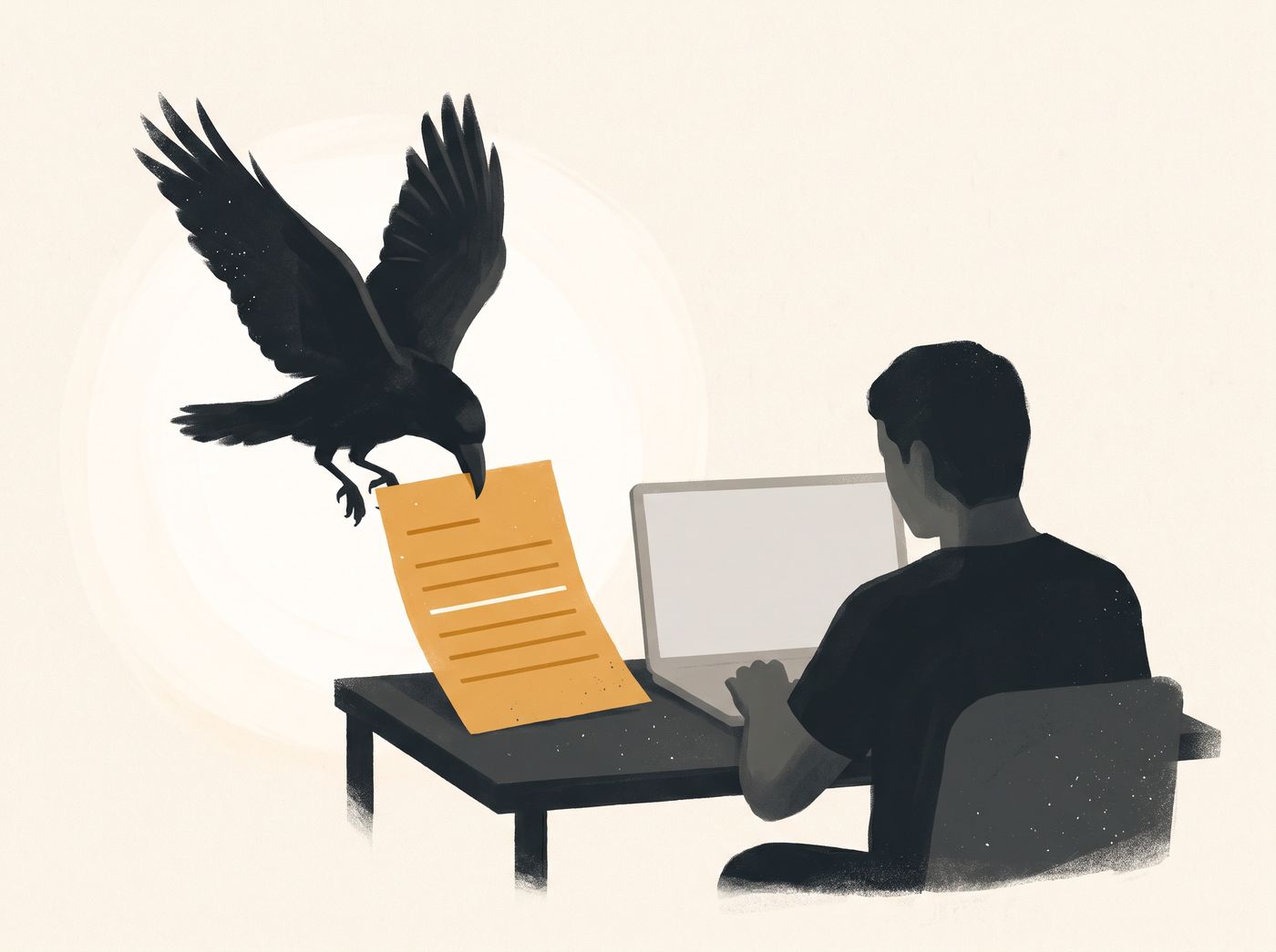
Every conversation with an AI begins from nothing. It doesn't remember who you are, what you said yesterday, or the shape of how you think. And the next AI — a different model, a different tool — knows even less, because what you taught one never reaches the other. Muninn is the part that stays. Named for the raven of memory — who flew out across the world each day and returned at dusk carrying everything he had seen — it holds your context across every session and across every AI: your voice, your people, the threads you're still pulling on. Not files in a drawer, but a living memory that recalls what matters, when it matters. The Persians had a phrase for the thing in you that does not pass — zât-e mândegâr, the enduring essence. That is what Muninn keeps: not the conversation, but the you underneath it, held safe between one session and the next, and carried from one AI to the next. Not a database to run or an engine to deploy — nothing to install, nothing to keep alive. A memory layer that belongs to you, not to any one model. The thread your AIs pass between them.

One thread, every tool

Start in one AI. Continue in another. Finish in a third.

An idea rarely lives in one place. You think it through with one AI, draft it in another, ship it from a third — different models, different vendors, the way the work wants to move. Today each one forgets what the others learned. Muninn doesn't sit inside any of them; it sits underneath all of them, and every one reaches the same memory. Pick up exactly where you left off — in whatever you open next.

AClaude Codeshape the idea, decide the build
BClaude.aicontinue the essay, same context
CCursor · ChatGPT · any agentcarry it on, nothing re-explained

The handoff between tools is the handoff between collaborators who share one notebook — except the notebook is Muninn, and the collaborators are different minds. Anything that speaks the open memory protocol can read and write it. Your memory stops belonging to whichever app you happened to open.

A real thread

One example: how this very page got made

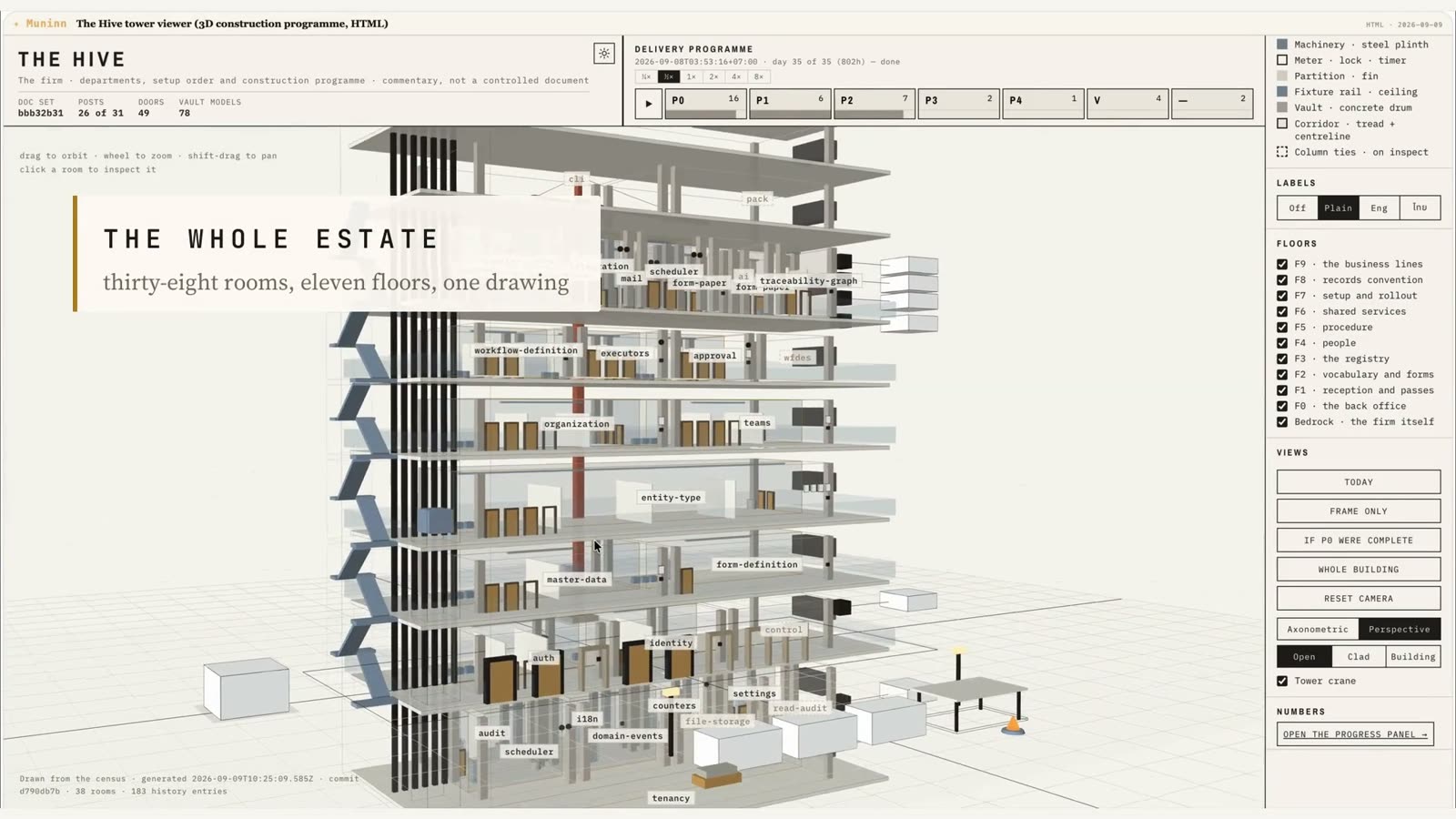
This isn't a hypothetical. Muninn was built with Muninn — one idea carried across different AIs and tools, each picking up exactly where the last left off, because the memory never lived inside any of them. The same thread runs from the first spark to the words you're reading now.

  1. The idea

    A conviction worked out in conversation — memory should belong to the person, not the model.

  2. The memory service

    Built in a coding agent — every decision and changelog stored in Muninn as it was made.

  3. The book

    Drafted in a chat app — booting the same memory, continuing the same thread, in a different room.

  4. The Stories

    Fiction branched off the same book memory — Day 14, The Coffee Is Still Warm — a parallel track from one origin, not a detour.

  5. The inbox

    An idea caught mid-email — highlighted in Outlook, handed to Claude, saved straight into Muninn. The thread doesn't care which app you were in.

  6. The product

    Features shipped, positioning reformed, written straight back into Muninn — read by whatever opened next.

  7. This page

    Reframed from that same memory — the thread reaching all the way to the words you're reading.

What loads when you wake up

Memory shaped like a mind, not a filing cabinet

You don't remember everything when you wake up — you remember who you are, the people who matter, and what you were just doing. The rest waits until something calls for it. Muninn works the same way: a thin doorway in, and a whole working self assembled on the other side. One call, before you've said anything beyond hello.

one call
Identitywho you are · global
Last sessionyesterday, retrieved
Carryoverthe unfinished thread
Relevantmeaning + frequency
Skillswhat it knows to do
Personathe voice for this room

And it doesn't stand alone. Memory lives in layers that hold different weights — Muninn working alongside what Claude already gives you, each holding what it's suited for:

Claude's synthesis
The summary Claude builds quietly from the conversation itself — sits on top.
auto · on top
Muninn — your working memory
Identity, last session, carryover, the relevant set — light, fast, and cross-project. Ranked by meaning, frequency of use, and scope. This is the layer that loads every time you wake up.
light · fast · every wake
Project Knowledge — the deep store
Your heavy documents — PDFs, decks, dense reference files. Held on the platform, loaded only when the work reaches for them.
heavy · on demand
close, light, loaded every time  ↓  far, heavy, loaded on demand
What it is

A memory layer for your AI companion

Cross-session memory

What you tell it once is remembered everywhere — every new chat starts knowing you.

Nothing to run

No install, no server, no database to maintain. It lives where your AI already is — you just talk, and it remembers.

Wakes up knowing you

One call at the start of a conversation restores your state, identity, and where you left off — your AI boots into context instantly.

Recall that learns

It surfaces what's relevant by meaning, and the memories you lean on most rise over time — recall adapts to what actually matters to you.

Scoped to your work

Tell it which project you're in and it focuses there — while still surfacing the relevant context from everything else you've told it.

A living graph

See your memory as a constellation — people, threads, and themes, mapped over time, in the Memory Map.

Teachable skills

Give your AI reusable skills it carries across every chat — installed once, stored as memory, not re-explained each time.

Share with a team

Share chosen memories by tag — teammates' AI sees them transparently. One source, no copies.

Your data is yours

Built for one person, not an org. Own it, see it, and take it with you — full export & import of your memories, any time.

See it in action

The field where everything is kept

A live walkthrough of what Muninn actually remembers — the constellation view, ranked recall, timeline, contacts, and what it looks like when a machine knows you across sessions. Written as it was built.

Read the essay →
The build story

How Muninn was built

An AI can think without you — it cannot, on its own, remember you. The story of moving that work off the person and into a memory you can read, correct, and own, told in three movements: the memory carrier, the instruction layer, and the mirror that remembers.

Read how it was built →
The memory it holds

Not a demo. This is what Muninn is holding right now.

Pulled live from the running system as you read this. This is the memory Muninn was built with — the one that carried its own making across hundreds of sessions. A graph, not a list: every memory sits in a web of associations, and recall pulls the memory and the web around it.

As of 2026-07-30

802memories
297associations
280bundle nodes
12bundles
35instructions
2identity
4personas
27skills

802 memories, 297 associations. The associations are the point — memory is a graph, not a list. And it is not just records: 35 instructions, 2 identity, 4 personas, and 27 skills are held too, filed across 11 projects and 1,114 tags of your own choosing — not a fixed set of memory types someone else decided for you.

How it compares

The same instinct, the opposite audience

Every other AI-memory tool was built for developers and coding agents. Muninn is built for the person who named their AI and just wants it to remember them — and it stays honest about what it does not do, including total recall.

See how it compares →
Install

Connect it to Claude in three steps

  1. Create your Muninn account at muninn.bizat.co.
  2. Add the Muninn connector in Claude.ai → Settings → Connectors, pointing at muninn.bizat.co/mcp.
  3. Drop the project-instruction block into your Claude project — Muninn boots your memory at the start of every session.
Early access

Want in?

Muninn is in early access. Leave your email and we'll reach out when there's a spot — and ask what you'd want it to remember.

No spam. Just an early-access note from a real, registered company.

The thinking behind it

Why memory, why now

Muninn grew out of an ongoing essay project on AI, memory, and what it means for a machine to know you over time. Read the thinking at The Conversation Daemon →